Donor Egg IVF: How the Process Works and Who It's For
By Palm Beach Fertility Center
August 20, 2026
Learn how donor egg IVF works, from donor screening and fertilization to embryo transfer, and who may be a candidate for treatment.
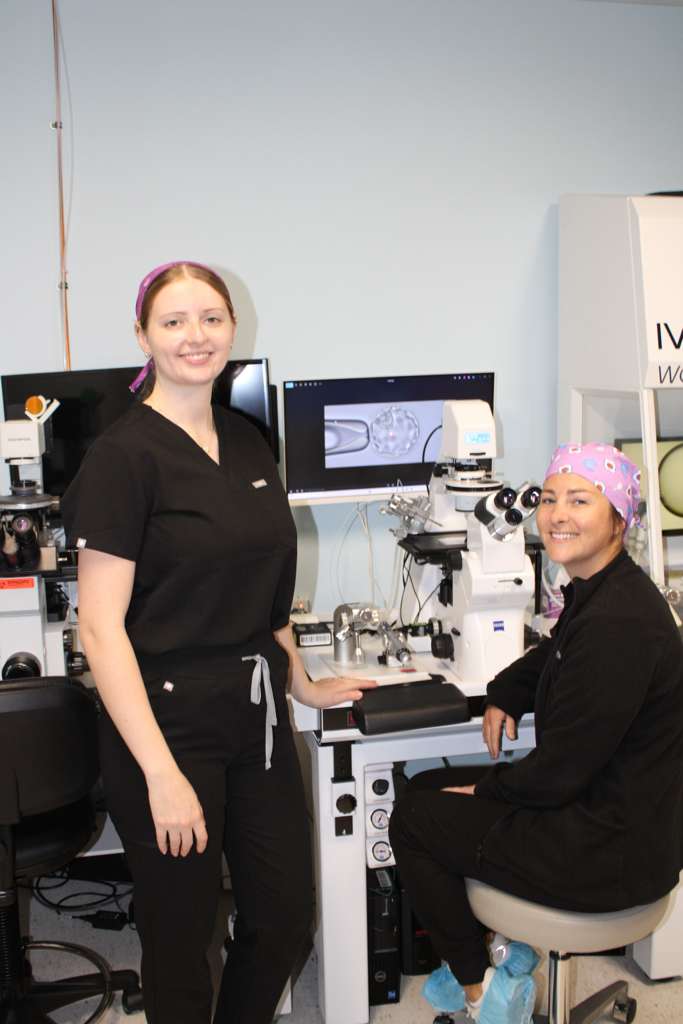
Donor egg In Vitro Fertilization (IVF) offers a proven pathway to parenthood when using a patient's own eggs is not clinically indicated. The process combines rigorous donor screening, laboratory fertilization, embryo development, and precise uterine preparation. Whether using partner sperm or donor sperm, understanding each stage allows you to plan your treatment journey with confidence. Understanding each stage can help patients know what questions to discuss with a fertility specialist.
What Is Donor Egg IVF?
Donor egg IVF uses eggs from another woman rather than eggs retrieved from the intended parent. The donor's eggs are fertilized with sperm in a laboratory, and the resulting embryos may be transferred to the recipient's uterus. Sperm may come from a partner or, when appropriate, a sperm donor. Palm Beach Fertility Center describes donor egg IVF as an option for individuals and couples who cannot use their own eggs, including certain patients with diminished ovarian reserve, poor egg quality or previous unsuccessful IVF treatment.
The process has two distinct medical components. The donor undergoes screening and ovarian stimulation before egg retrieval, while the recipient is evaluated and prepared for embryo transfer. These stages require coordination between the fertility team, donor and intended parent or parents. The exact protocol depends on the donor program and the recipient's medical circumstances. A consultation helps determine whether donor egg IVF is an appropriate treatment pathway.
Who May Consider Donor Egg IVF?
Donor eggs may be considered when using a patient's own eggs is not medically appropriate or when previous fertility treatment has not produced the desired result. Diminished ovarian reserve, premature ovarian failure and poor egg quality are among the circumstances that may lead a specialist to discuss donor eggs. Some individuals may also consider donor eggs because of a genetic condition they do not wish to pass on. Donor egg treatment can also be part of family-building for same-sex male couples and single men when combined with a gestational carrier.
A fertility specialist will consider the patient's medical history rather than relying on age or diagnosis alone. The evaluation may include reproductive history, physical assessment and testing that helps determine whether the uterus is suitable for carrying a pregnancy. The patient's overall health and treatment goals also matter. Donor egg IVF may be discussed even when previous treatment has involved the patient's own eggs. The decision should follow an individual medical consultation.
Common circumstances in which donor eggs may be discussed include:
Diminished ovarian reserve
Premature ovarian insufficiency or ovarian failure
Poor egg quality
Previous IVF treatment with limited results
Certain inherited or genetic conditions
Situations where eggs are not available
Family-building plans involving donor eggs and a gestational carrier
What Happens Before Choosing an Egg Donor?
Before selecting a donor, recipients generally need to understand the medical process, available donor information and program requirements. The fertility team can review the recipient's reproductive history and explain what evaluation is needed before treatment. Patients may also have questions about donor characteristics, genetic screening, confidentiality and legal arrangements. These decisions can take time, so it is useful to discuss them before starting the treatment cycle. Palm Beach Fertility Center states that its donor program provides recipients with detailed donor profiles and screening information.
Donor screening is designed to evaluate the donor's medical and reproductive health and identify relevant infectious or genetic risks. Palm Beach Fertility Center reports that its egg donors undergo medical examination, infectious disease testing, genetic carrier screening, psychological evaluation, drug screening and FDA-required health assessments. Family medical history is also reviewed as part of the screening process.
Medical and Genetic Screening
The donor screening process may include:
Medical history and physical examination
Family medical history review
Infectious disease testing
Genetic carrier screening
Psychological evaluation
Drug screening
Reproductive health assessment
FDA-required health assessments
Screening does not eliminate every possible medical or genetic risk. Patients should ask what testing has been completed and what information will be provided about the donor. A fertility specialist can also explain how donor and recipient information may be considered together during treatment planning.
Understanding an Egg Donor Program
An egg donor program connects intended parents with screened donors and coordinates the medical steps required to retrieve and use donor eggs. The program may provide donor profiles containing information such as medical history, education, physical characteristics, interests and genetic screening results. The exact information available depends on the program and its confidentiality policies. Palm Beach Fertility Center currently states that its donor database includes detailed donor profiles and that its program offers fresh and frozen donor egg options.
The selection process can involve both medical and personal considerations. Recipients may want to understand the donor's available medical history and genetic information before considering other preferences. The clinic's existing resource on what recipients should know before choosing an egg donor discusses medical, emotional and financial questions that recipients may want to consider.
How the Donor Egg IVF Process Works
Donor egg IVF involves several coordinated stages. The donor must first complete the required screening before proceeding with treatment. The recipient also undergoes preparation so the uterus is ready for an embryo transfer. The eggs are then retrieved from the donor and fertilized with sperm in the laboratory. Embryos are developed and assessed before an appropriate embryo transfer is performed.
Step 1: Fertility Consultation and Treatment Planning
The process begins with a consultation to discuss the patient's reproductive history, family-building goals and reasons for considering donor eggs. The fertility specialist can review previous treatment and recommend any necessary testing. The recipient's uterus and general health may also be evaluated before an embryo transfer is planned. The source of sperm should be discussed at this stage because it may come from a partner or donor. The treatment plan is then developed around the patient's individual circumstances.
Step 2: Selecting an Egg Donor
After reviewing the available donor information, recipients can select a donor according to the program's selection process. Medical history, genetic screening and other available information can all be considered. Recipients may also have personal preferences concerning physical characteristics, education or interests. Palm Beach Fertility Center states that its donor profiles include medical history, genetic testing results, education and physical characteristics.
Step 3: Preparing for Embryo Creation
Once the donor has been selected and the necessary arrangements are complete, the donor undergoes ovarian stimulation and monitoring. Medication is used to encourage the development of multiple follicles, followed by egg retrieval when the follicles are ready. The retrieved eggs are then taken to the laboratory for fertilization. The recipient's preparation occurs separately and is planned around the expected embryo transfer.
Step 4: Fertilizing the Donor Eggs
Donor eggs are fertilized with sperm from the intended parent or a sperm donor, depending on the treatment plan. Fertilization takes place in the fertility laboratory, and the resulting embryos are monitored as they develop. IVF techniques such as intracytoplasmic sperm injection may be considered when clinically appropriate. The laboratory team monitors embryo development before an embryo is selected for transfer according to the treatment plan.
Step 5: Embryo Development
After fertilization, embryos remain under laboratory observation while they develop. The fertility team may discuss embryo assessment and whether genetic testing is appropriate based on the patient's circumstances. Not every patient needs genetic testing, and the decision should be made with the fertility specialist. Embryos that are suitable for future use may be frozen according to the treatment plan. The timing of transfer depends on the individual cycle and clinical recommendations.
Step 6: Preparing the Uterus
The recipient's uterus needs to be prepared before embryo transfer. Medication may be prescribed to help develop the uterine lining and coordinate the timing of transfer. Monitoring may be used to assess the uterine environment and determine when transfer should occur. The exact medication schedule varies between patients. The fertility team provides instructions based on the selected treatment protocol.
Step 7: Embryo Transfer and Pregnancy Testing
Embryo transfer places the selected embryo into the recipient's uterus. The procedure is generally performed after the uterus has been prepared and the treatment team has confirmed that transfer can proceed. Palm Beach Fertility Center states that pregnancy testing is performed approximately 10 days after transfer in its donor egg treatment pathway. The care team will provide specific instructions for follow-up and any additional monitoring required.
What Role Does Sperm Play in Donor Egg IVF?
Donor egg IVF still requires sperm to fertilize the donor eggs. Depending on the patient's family-building circumstances, sperm may come from a partner or a sperm donor. For patients who need donor sperm, the clinic can explain the available screening and treatment requirements. Palm Beach Fertility Center's sperm donor program provides access to screened donor sperm and outlines its use with IUI, IVF and reciprocal IVF.
The choice of sperm source should be discussed during treatment planning. Patients using donor sperm may need to review donor profiles and confirm the required screening before treatment. Patients using a partner's sperm may need semen analysis or other evaluation depending on their circumstances. Keeping these decisions separate from egg donor selection can make the overall treatment process easier to understand.
Choosing Between Fresh and Frozen Donor Eggs
Donor egg program may offer fresh or frozen eggs depending on the available treatment arrangement. Fresh donor eggs involve coordinating the donor's cycle with the recipient's treatment schedule. Frozen donor eggs are already cryopreserved and may provide a different scheduling process. Neither option should automatically be considered suitable for every patient. The fertility specialist can explain which options are available and how they fit the patient's treatment plan.
Palm Beach Fertility Center currently states that it offers both fresh and frozen donor egg options. Patients should ask how the selected option affects donor availability, treatment timing, laboratory procedures and costs before making a decision.
What Should Recipients Consider When Choosing an Egg Donor?
Selecting an egg donor can involve medical, genetic, emotional and personal considerations. Recipients may initially focus on physical characteristics but may also want to review family medical history, genetic screening and other available information. The amount of information provided depends on the program and its confidentiality requirements. Palm Beach Fertility Center's current recipient FAQ states that its donor program is anonymous and that recipients can receive information about physical characteristics, education, personal interests and motivation for donation.
Recipients may want to consider questions such as:
What medical information is available?
What genetic screening has been completed?
What family medical history is available?
What personal information can recipients review?
What confidentiality rules apply?
What legal agreements are required?
What support is available during donor selection?
The decision can also have an emotional dimension. Recipients may benefit from taking time to consider how donor conception fits into their family plans and what questions they may have about discussing the circumstances of conception in the future. Counseling can provide a place to explore these concerns. Palm Beach Fertility Center's recipient FAQ notes the emotional considerations associated with donor egg treatment and the role of psychological evaluation.
Preparing for Donor Egg IVF
Preparation involves more than choosing a donor. Patients may need medical testing, uterine preparation, financial planning and legal coordination before treatment begins. The fertility team can explain the expected schedule and identify which services are included in the program. Patients should also ask about medication costs, embryo storage and any additional procedures that may apply. Having these details in writing can make the treatment plan easier to follow.
Before treatment, consider discussing:
Why donor eggs are recommended
Available donor options
Donor screening and genetic information
Required recipient testing
Uterine preparation
Sperm source
Embryo testing, if applicable
Embryo storage
Legal requirements
Expected treatment costs
Emotional and Practical Considerations
Using donor eggs can bring questions that are different from those associated with IVF using one's own eggs. Patients may think about genetics, donor anonymity, family communication and how they feel about the treatment decision. These concerns are individual, and there is no single emotional response that applies to every recipient. Counseling can provide an opportunity to discuss concerns before treatment begins. Support from a fertility team can also help patients understand the medical and practical aspects of donor conception.
Financial planning deserves attention as well. Donor treatment can involve expenses related to medical care, donor services, legal arrangements, medications and embryo storage. The total amount depends on the treatment plan and program terms. Patients should request a detailed financial explanation before committing to treatment.
What to Expect After Embryo Transfer
The period after embryo transfer involves waiting for the scheduled pregnancy test and following the clinic's instructions. Patients may experience physical sensations during this period, but symptoms alone cannot determine whether an embryo has implanted. Taking medication exactly as prescribed is important unless the fertility team advises otherwise. The clinic will provide instructions about testing and follow-up appointments. A positive pregnancy test is generally followed by additional monitoring to assess early pregnancy.
Patients should contact their fertility team if they have concerns during the waiting period. The appropriate response depends on the symptoms and individual circumstances. The fertility team can explain what is expected and when additional assessment may be needed.
Donor Egg IVF and Your Family-Building Plan
Donor egg IVF can be part of several different family-building pathways. It may be used by women who cannot use their own eggs, same-sex male couples, single men and other individuals or couples whose circumstances make donor eggs appropriate. Some patients may use sperm from a partner, while others may use donor sperm. A gestational carrier may also be part of the plan when the intended parent or parents cannot carry the pregnancy.
The treatment pathway should reflect the patient's medical needs and family-building goals. A fertility specialist can explain the available donor program options and identify the evaluations needed before treatment. Patients should also understand the legal and financial requirements associated with donor-assisted reproduction. This preparation can help clarify decisions before the treatment cycle begins.
Explore Donor Egg IVF Options
Donor egg IVF involves several stages, from donor screening and selection to egg retrieval, fertilization, embryo development and transfer. Each stage has its own medical and practical considerations, and the process can vary according to the recipient's circumstances. Palm Beach Fertility Center provides donor egg services in Boca Raton and Aventura and outlines its donor screening, selection and treatment process for intended parents.
Patients who want to review available donor egg IVF options can discuss their medical history, family-building goals and treatment questions with a fertility specialist. To discuss donor treatment and the next steps, contact us to connect with Palm Beach Fertility Center.
Conclusion
Donor egg IVF can offer a family-building pathway when using a patient's own eggs is not appropriate or when donor eggs are recommended after a fertility evaluation. The process involves donor screening, selection, ovarian stimulation, egg retrieval, fertilization, embryo development and embryo transfer. Patients should also consider the medical, emotional, legal and financial aspects of donor conception before beginning treatment. A consultation with a fertility specialist can help recipients understand the available choices and develop a treatment plan suited to their circumstances. To Explore Donor Program Options and learn more about available donor egg services, contact us to discuss your treatment options with the fertility team.
FAQs About Donor Egg IVF
1. What is donor egg IVF?
Donor egg IVF is a fertility treatment that uses eggs from a screened donor to create embryos through IVF. The resulting embryo may then be transferred to the recipient's uterus or, when appropriate, to a gestational carrier.
2. Who may need donor eggs for IVF?
Donor eggs may be considered for people with diminished ovarian reserve, premature ovarian failure, poor egg quality, certain genetic concerns or previous unsuccessful IVF treatment. They may also be used in certain family-building arrangements, including those involving same-sex male couples and single men.
3. How does donor egg IVF work?
The process generally involves selecting a screened donor, preparing the donor for egg retrieval, fertilizing the retrieved eggs with sperm, developing embryos in the laboratory and preparing the recipient for embryo transfer. The exact treatment plan depends on individual medical circumstances.
4. Can donor eggs be used with sperm from a partner or sperm donor?
Yes. Donor eggs can be fertilized using sperm from a partner or, when appropriate, sperm from a donor. The sperm source is determined according to the patient's family-building circumstances and treatment plan.
5. How do I choose an egg donor?
Recipients can review the information available through the donor program, which may include medical history, genetic screening, physical characteristics, education and personal interests. The exact information and selection process depend on the program. A fertility team can explain the available information and help recipients understand the medical and practical considerations before making a decision.