Donor Sperm Insemination: Complete Guide for First-Time Patients
By Palm Beach Fertility Center
June 13, 2026
Learn how donor sperm insemination works, how to choose a donor, treatment options, success rates, and what first-time patients can expect.
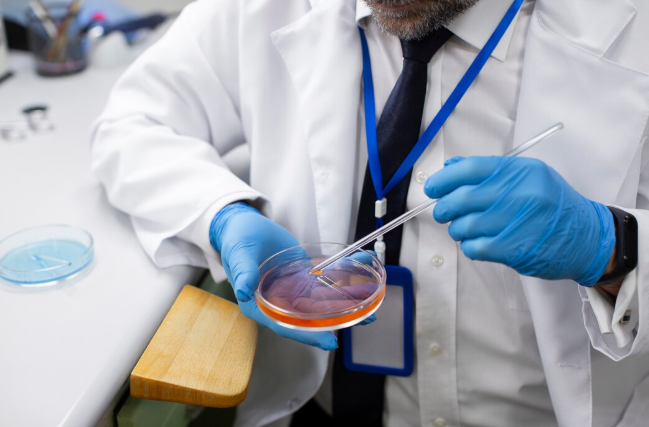
Starting a fertility journey can feel overwhelming, especially when exploring treatment options for the first time. Donor sperm insemination has helped many individuals and couples pursue their family-building goals through safe and effective fertility treatments. Whether you are a single woman, part of a same-sex female couple, or experiencing male factor infertility, donor sperm may provide a pathway to pregnancy.
For those considering donor sperm insemination palm beach, understanding the process, treatment options, and success factors can make decision-making easier. This guide explains everything first-time patients should know before beginning treatment.
Understanding Donor Sperm Insemination
What Is Donor Sperm Insemination?
Donor sperm insemination is a fertility treatment that uses sperm from a screened donor to achieve pregnancy. Depending on a patient's fertility needs, donor sperm can be used with intrauterine insemination (IUI) or in vitro fertilization (IVF). The goal is to increase the chances of successful conception while providing a safe and carefully monitored treatment experience.
Modern donor programs follow strict screening standards to ensure donor health and sperm quality. Fertility specialists work closely with patients to determine the most appropriate treatment approach based on age, reproductive health, and family-building goals.
Who Typically Uses Donor Sperm?
Several groups of patients may benefit from donor sperm insemination, including:
Single women pursuing parenthood
Same-sex female couples
Couples facing male factor infertility
Individuals with genetic concerns affecting sperm use
Patients seeking alternative fertility options
The treatment plan varies depending on each patient's unique reproductive circumstances.
How Donor Sperm Insemination Works
The process begins with a fertility consultation and evaluation. Once donor sperm has been selected, fertility specialists determine the best treatment method and timing for insemination. The procedure itself is relatively straightforward and is performed under close medical supervision.
Careful cycle monitoring helps optimize timing and improve the likelihood of successful fertilization.
Why Patients Choose Donor Sperm Insemination
Fertility Options for Single Women
Many single women choose donor sperm insemination as part of their family-building journey. Advances in reproductive medicine have made it possible to pursue pregnancy independently while receiving personalized fertility support.
Benefits may include:
Greater reproductive flexibility
Access to screened donor programs
Personalized treatment planning
Multiple fertility treatment options
The ability to choose from various donor profiles also provides additional decision-making flexibility.
Family Building for LGBTQ+ Individuals and Couples
Donor sperm insemination has become an important option for same-sex female couples and LGBTQ+ individuals. Depending on personal goals, treatment may involve IUI, IVF, reciprocal IVF, or other fertility services.
Many patients explore donor sperm as part of a broader fertility strategy. Educational resources such as Egg Freezing Helps Women with Endometriosis Preserve Fertility can also provide valuable information about long-term reproductive planning and fertility preservation.
Overcoming Male Infertility Challenges
Male factor infertility can affect sperm count, motility, morphology, or overall sperm function. In some situations, donor sperm may provide a practical solution when other treatment approaches are not successful.
Fertility specialists evaluate each case carefully before recommending donor sperm. The decision is based on medical findings, treatment history, and family-building objectives.
Choosing a Sperm Donor
Understanding Sperm Donor Screening Standards
Donor screening is one of the most important aspects of the donor sperm process. Reputable sperm banks follow strict guidelines designed to protect recipients and future children.
Screening often includes:
Infectious disease testing
Genetic carrier screening
Medical history evaluation
Family health history review
Psychological assessment
These measures help maintain high safety and quality standards.
Anonymous vs Known Donors
Patients may choose between anonymous donors and known donors, depending on personal preferences and legal considerations. Anonymous donors are typically selected through licensed sperm banks, while known donors may be individuals chosen by the intended parent.
Both options require appropriate medical testing and legal guidance before treatment begins.
Factors to Consider When Selecting a Donor
Choosing a donor is a personal decision that often involves multiple considerations.
Common factors include:
Medical history
Genetic screening results
Physical characteristics
Educational background
Personal interests and traits
Ethnic or cultural background
A fertility specialist can help patients understand which factors may be most relevant for their situation.
Donor Sperm Treatment Options
Intrauterine Insemination (IUI) With Donor Sperm
IUI is one of the most common fertility treatments using donor sperm. During the procedure, prepared sperm is placed directly into the uterus around the time of ovulation.
IUI may be recommended for:
Patients with healthy fallopian tubes
Younger individuals with good ovarian reserve
Single women beginning fertility treatment
Same-sex female couples without significant fertility concerns
The procedure is minimally invasive and often serves as a first-line treatment option.
In Vitro Fertilization (IVF) With Donor Sperm
IVF involves fertilizing eggs in a laboratory before transferring embryos into the uterus. This approach may be recommended when additional fertility factors are present or when previous treatments have been unsuccessful.
IVF can provide advantages such as:
Greater control over embryo development
Genetic testing opportunities
Higher success rates for certain patients
More treatment customization
IUI vs IVF With Donor Sperm
Both treatments have benefits, but the right option depends on individual fertility circumstances.
Key differences include:
Treatment complexity
Cost considerations
Success rates
Time commitment
Fertility diagnosis
Patients considering advanced fertility treatments may also learn about ivf gestational surrogacy palm beach when exploring broader family-building options.
The Donor Sperm Insemination Process Step by Step
Initial Fertility Consultation
The first step involves a detailed consultation with a fertility specialist. Medical history, reproductive goals, and fertility testing results are reviewed to create a personalized treatment plan.
Fertility Testing and Evaluation
Testing helps identify any underlying fertility factors that could influence treatment outcomes.
Common evaluations include:
Hormone testing
Ovarian reserve assessment
Ultrasound imaging
Uterine evaluation
Infectious disease screening
These assessments guide treatment recommendations.
Selecting and Purchasing Donor Sperm
Once a donor has been selected, sperm is purchased through an approved sperm bank. The fertility clinic coordinates shipment and storage according to treatment timing.
Cycle Monitoring and Timing
Accurate timing is critical for successful insemination. Specialists monitor ovulation and reproductive hormone levels to identify the optimal treatment window.
Insemination Procedure
The insemination procedure is generally quick and straightforward. Prepared donor sperm is carefully placed into the uterus, and patients can typically resume normal activities shortly afterward.
Pregnancy Testing and Follow-Up Care
After insemination, patients return for pregnancy testing and follow-up appointments. Ongoing monitoring helps evaluate treatment success and determine next steps if additional cycles are needed.
Success Rates for Donor Sperm Insemination
Success rates vary depending on several factors. While donor sperm quality is important, patient-specific factors often have a significant influence on outcomes.
Factors affecting success include:
Age
Ovarian reserve
Overall reproductive health
Uterine health
Treatment type selected
Number of treatment cycles
Understanding these variables helps establish realistic expectations throughout the fertility journey.
Emotional and Practical Considerations
Donor sperm insemination involves more than medical treatment alone. Emotional readiness and long-term planning are also important aspects of the process.
Patients may benefit from:
Fertility counseling
Educational resources
Support groups
Professional guidance
Family planning discussions
Taking time to address emotional and practical considerations can contribute to a more confident treatment experience.
When to Speak With a Fertility Specialist
If you are considering donor sperm insemination, early consultation with a fertility specialist can provide valuable guidance. Personalized evaluations help identify the most effective treatment options based on your reproductive goals and fertility health.
Whether you are pursuing parenthood independently, as part of a couple, or exploring options related to infertility, professional support can help you move forward with confidence. To learn more about available fertility treatments, please contact us to schedule a consultation.
Conclusion
Donor sperm insemination offers an effective and accessible fertility solution for many individuals and couples. From single women and LGBTQ+ families to those facing male factor infertility, this treatment provides multiple pathways to parenthood through carefully screened donor programs and personalized fertility care.
Understanding the donor selection process, treatment options, and success factors can help patients make informed decisions. Working with an experienced fertility team ensures that every stage of the journey is guided by medical expertise, compassion, and individualized support.
Frequently Asked Questions
1. What is donor sperm insemination?
Donor sperm insemination is a fertility treatment that uses sperm from a screened donor to help achieve pregnancy through IUI or IVF.
2. Who can use donor sperm insemination?
Single women, same-sex female couples, individuals with fertility challenges, and couples experiencing male factor infertility may be candidates for donor sperm treatment.
3. How do I choose a sperm donor?
Patients can review donor profiles that include medical history, genetic screening results, physical characteristics, and other background information to help guide their decision.
4. Is IUI or IVF better with donor sperm?
The best treatment depends on age, fertility health, medical history, and reproductive goals. A fertility specialist can recommend the most appropriate option.
5. How successful is donor sperm insemination?
Success rates vary based on several factors, including age, reproductive health, treatment type, and fertility diagnosis. Individual evaluations provide the most accurate expectations.