Should You Consider PGT-A for Your IVF Cycle?
By Palm Beach Fertility Center
November 6, 2025
Choosing to begin your journey to parenthood is a momentous decision, one filled with hope, emotion, and countless questions. At Palm Beach Fertility Center, our mission is to support families across South Florida with i
Choosing to begin your journey to parenthood is a momentous decision, one filled with hope, emotion, and countless questions. At Palm Beach Fertility Center, our mission is to support families across South Florida with individualized, affordable fertility treatment plans that reflect the uniqueness of your story and your DNA.
If you’re considering in-vitro fertilization (IVF), one term you’re likely to encounter is PGT-A, or Preimplantation Genetic Testing for Aneuploidies. It’s a powerful tool that could increase your chance of IVF success, reduce the risk of genetic abnormalities, and support informed decision-making as you pursue your dream of having a child.
But is PGT-A testing right for you? In this in-depth guide, we’ll explore how PGT-A works, the benefits and considerations, and how options like chromosomal screening and embryo grading fit into your IVF journey.
What is PGT-A Testing in IVF?
PGT-A stands for Preimplantation Genetic Testing for Aneuploidies. The process involves screening embryos created during IVF for chromosomal abnormalities before implantation. By identifying embryos with the correct number of chromosomes, PGT-A can help reduce the risk of miscarriage, genetic disorders, and failed cycles.
PGT-A is just one form of Preimplantation testing available to family's pursuing IVF. It does not diagnose inherited conditions or diseases, but it does provide vital information on embryo quality, giving you knowledge and confidence as you move forward.
Two lines to pause: Modern fertility clinics use PGT-A to empower hopeful parents with clarity, supporting healthy pregnancies and greater peace of mind.
How Does PGT-A Work in Practice?
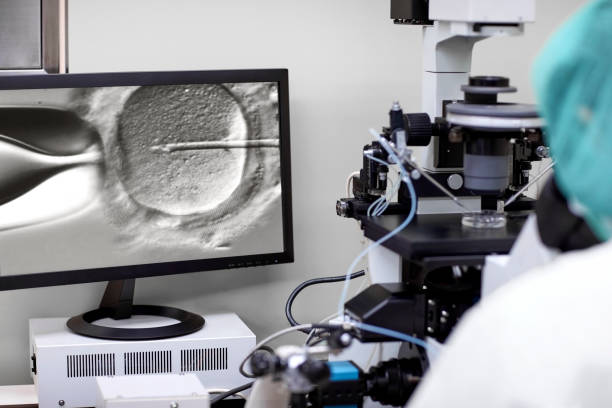
After eggs are fertilized in the lab, embryos are grown for several days. At this point, a small sample of cells is taken from each embryo, a safe and minimally invasive process. These cells are then analyzed through chromosomal screening in a specialized lab.
Only embryos confirmed to have the correct number of chromosomes are selected for transfer into the uterus. This reduces the chance of failed implantation and genetic complications.
Every step, from embryo grading to the final selection, is guided by experienced fertility specialists and embryologists dedicated to your success.
Take a moment to consider: For many couples, the clarity offered by Preimplantation testing makes every step of IVF feel more hopeful and secure.
Why Chromosomal Screening Matters
Chromosomal screening is the heart of PGT-A testing. Many miscarriages and failed IVF cycles are due to aneuploidy (abnormal number of chromosomes) rather than external factors.
PGT-A tests common abnormalities, such as Down syndrome, Turner syndrome, and trisomy, that can affect development and viability. Even young, healthy couples may produce embryos with chromosomal errors, so chromosomal screening offers reassurance that goes beyond age or medical history.
By reducing the risk of transferring embryos with abnormalities, chromosomal screening helps to maximize pregnancy rates, minimize emotional stress, and empower parents to make informed choices.
Pause here: It's natural to feel uncertain about genetic testing. Palm Beach Fertility Center takes the time to answer questions and walk every family through the options.
The Role of Embryo Grading in IVF Success
Embryo grading is an essential tool that works in tandem with PGT-A and Preimplantation testing. By evaluating the physical quality of embryos, including their size, shape, cell symmetry, and overall appearance, your care team can identify the most promising embryos for transfer.
While embryo grading does not replace chromosomal screening or PGT-A, combining all three methods provides a more complete picture of your IVF prospects. Selecting high-graded, chromosomally normal embryos greatly increases your chances for a healthy pregnancy.
For more insight into how embryo grading and advanced genetic screening fit into your fertility plan, explore our expert resources on the IVF Lab page, where science and care come together to guide your next steps with confidence and clarity.
Who Should Consider PGT-A Testing?
PGT-A can benefit many individuals and couples pursuing IVF, but it may offer advantages to:
Women over the age of 35, who face higher risks of chromosomal abnormalities
Couples with a history of miscarriage or failed IVF cycles
Those wanting to minimize the emotional and physical toll of multiple cycles
Intended parents using donor eggs or sperm
However, PGT-A testing is not required for every IVF cycle. At Palm Beach Fertility Center, we tailor our recommendations to each family, using your health history, previous outcomes, and personal preferences to craft a plan that’s just right for you.
Take two lines to consider: Choosing PGT-A is about feeling empowered; your decision should be made with trusted guidance and open communication.
If you’d like personal advice or wish to see if PGT-A is suitable for your situation, our friendly staff is here to help, visit our contact us page anytime to get started.
Potential Benefits and Limitations of PGT-A
Benefits:
Increased IVF Success: Identifying healthy embryos improves implantation rates and live birth outcomes
Reduced Risk of Miscarriage: Selecting embryos without chromosomal abnormalities lowers miscarriage rates
Fewer Failed Cycles: Optimizing embryo selection means fewer attempts and less emotional stress
Empowered Decision-Making: Parents have clear genetic information to guide their choices
Limitations:
Cost Considerations: PGT-A testing incurs extra expenses, though many families find the value well worth the investment
Not All Conditions Detected: PGT-A screens for chromosomal count, not inherited genetic diseases
Potential for No Usable Embryos: Testing may reveal no viable options in some cycles, requiring reassessment or repeat attempts
Three lines to pause: Understanding the benefits and limits of PGT-A helps families make informed decisions. Palm Beach Fertility Center provides transparent, supportive guidance every step of the way.
Addressing Common Concerns About PGT-A
Many hopeful parents worry about the safety and ethics of Preimplantation testing and chromosomal screening. Rest assured, the cell biopsy is minimally invasive, with no impact on future development. Only a small group of cells is removed, and embryos continue to grow and divide normally.
PGT-A is approved and regulated by leading medical authorities and is widely used for improving IVF outcomes across the globe.
Openly discussing concerns or questions with your fertility specialist or genetic counselor will ensure you enter your IVF cycle informed and comfortably.
Take a moment to reflect: Knowledge is power. Every step in the process is designed to bring you closer to a healthy, happy family.
The Palm Beach Fertility Center Difference
At Palm Beach Fertility Center, we believe that every family should feel supported, confident, and cared for throughout their journey. Our team combines decades of experience with a commitment to affordable, individualized care.
Through advanced PGT-A testing, chromosomal screening, and expert embryo grading, we help couples everywhere achieve their dreams of parenthood.
Explore our comprehensive fertility services on the IVF Lab page.
Should You Choose PGT-A for Your IVF Cycle?
Making the choice to add PGT-A to your IVF journey isn’t just a medical decision; it’s a personal one, guided by your hopes and circumstances. For many, PGT-A offers reassurance and a higher chance of success, especially when paired with experienced care and transparent communication.
If you’re interested in learning more, exploring your options, or would like to book a consultation, the caring team at Palm Beach Fertility Center is ready to guide you with expertise and understanding. For personal answers, tailored support, and custom solutions, don’t hesitate to get in touch, visit our contact us page for a friendly conversation about your next steps on the journey to parenthood.
Frequently Asked Questions (FAQ)
Q: What is PGT-A, and how does it work in the IVF process?
A: PGT-A stands for Preimplantation Genetic Testing for Aneuploidies. It screens embryos for chromosomal abnormalities before implantation, helping select those with the correct number of chromosomes and improve IVF success rates.
Q: Does PGT-A detect inherited genetic conditions or only chromosomal count?
A: PGT-A focuses on identifying embryos with normal chromosome numbers. It does not diagnose specific inherited genetic diseases (such as cystic fibrosis or sickle cell anemia); other forms of Preimplantation testing are needed for those conditions.
Q: Who should consider PGT-A testing with IVF?
A: Women over age 35, couples with a history of miscarriage or failed IVF cycles, those using donor eggs or sperm, and anyone wanting to minimize physical and emotional toll may benefit most from PGT-A testing.
Q: What are the potential benefits of PGT-A testing?
A: PGT-A increases IVF success rates, reduces the risk of miscarriage and failed cycles, and provides parents with clear genetic information to guide their choices.
Q: Are there limitations to PGT-A?
A: Yes. PGT-A adds cost, does not detect all genetic disorders, and may sometimes reveal no viable embryos for transfer, requiring further attempts or reassessment with your care team.