When Should You Freeze Your Eggs? Expert Advice for Women in Their 20s and 30s
By Palm Beach Fertility Center
October 23, 2025
Discover the best age to freeze eggs and learn about the egg freezing process, fertility timeline, AMH levels, and career & fertility planning. Expert advice from Palm Beach Fertility.
Many women today want to preserve their fertility without feeling pressured by age or circumstances. Whether you’re pursuing education, advancing your career, or waiting to find the right partner, understanding the best age to freeze eggs is crucial. Egg freezing, also known as oocyte cryopreservation, gives women the ability to extend their fertility timeline and increase the chances of conceiving later in life.
At Palm Beach Fertility, we guide women through the egg freezing process with compassion, science, and expertise. By exploring the benefits of egg freezing in your 20s and 30s, you can make an empowered decision about your reproductive future.
Best Age to Freeze Eggs
When it comes to fertility preservation, timing matters. The best age to freeze eggs is often before fertility begins to decline significantly. Generally, fertility peaks in a woman’s 20s, with egg quantity and quality being highest during this period. By your early 30s, fertility gradually decreases, and by your mid-to-late 30s, the decline becomes sharper.
Freezing eggs in your 20s or early 30s often ensures better outcomes because the eggs retrieved are typically healthier and more viable. However, many women in their mid-to-late 30s also benefit from egg freezing as part of their fertility timeline planning.
Why Age Matters in the Egg Freezing Process
The egg freezing process begins with stimulating the ovaries to produce multiple eggs. These eggs are then retrieved, frozen, and stored for future use. Age impacts both the quantity and quality of eggs produced, which directly influences success rates when the eggs are thawed and fertilized later.
20s: Eggs are abundant and have strong genetic quality. Freezing at this stage offers the highest potential for future pregnancies.
Early 30s: Fertility is still relatively high, making this a strong time for preservation.
Mid-to-late 30s: Egg supply declines, but freezing at this age can still provide valuable options for women not ready for pregnancy.
Women considering their future family goals often discuss AMH levels (Anti-Müllerian Hormone) with their fertility specialist. AMH testing helps measure ovarian reserve and can guide decisions on when to begin egg freezing.
Understanding AMH Levels and Fertility Timeline
Your AMH levels are an important indicator of ovarian reserve. Higher AMH levels generally suggest a greater number of available eggs, while lower levels may indicate reduced fertility potential. Women in their 20s and early 30s often have stronger AMH levels, aligning with the optimal fertility timeline for egg preservation.
As you move through your 30s, AMH levels typically decrease, reflecting the natural decline of ovarian reserve. This is why understanding your AMH levels can help you determine the best age to freeze eggs and align your reproductive choices with your personal and professional life goals.
Learn more about the egg freezing process at Palm Beach Fertility.
The Egg Freezing Process Step by Step
If you are considering egg freezing, here’s a look at the standard process:
1. Initial Consultation
You will meet with a fertility specialist to discuss your medical history, family goals, and timing. Tests, including AMH levels, are performed to assess ovarian reserve.
2. Ovarian Stimulation
Hormonal medication is used to stimulate the ovaries and encourage the growth of multiple eggs. Compared to natural cycles, this step allows more eggs to be retrieved.
3. Egg Retrieval
Eggs are collected in a minor outpatient procedure. The retrieval is quick, safe, and minimally invasive.
4. Freezing and Storage
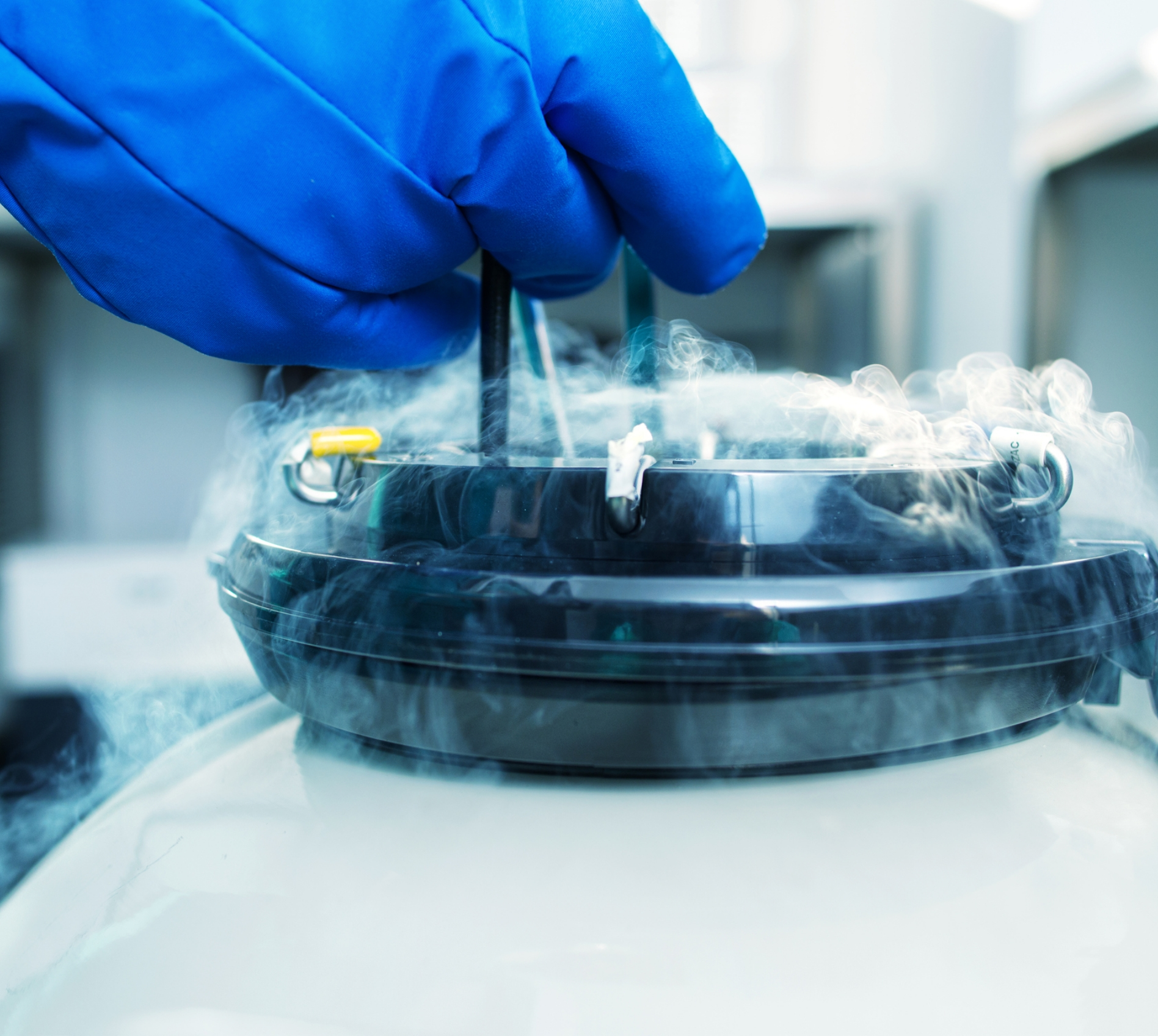
Eggs are cryopreserved using advanced vitrification technology, preserving them for years without losing quality.
By choosing the right time in your fertility timeline, women can ensure a more successful egg freezing journey.
Career & Fertility: Balancing Your Future
One of the most common reasons women choose egg freezing is the balance between career & fertility. Modern lifestyles often include higher education, career growth, or travel before starting a family. By freezing eggs at the best age, women don’t have to choose between professional success and future parenthood.
This option allows women to focus on personal growth now while preserving the chance to have biological children later in life. For many, it provides peace of mind and flexibility.
Best Age to Freeze Eggs: 20s vs 30s
Freezing Eggs in Your 20s
Eggs are most fertile and abundant.
Higher chance of healthy embryo development later.
Provides maximum flexibility for future family planning.
Freezing Eggs in Your Early 30s
Fertility is still strong.
AMH levels are generally sufficient for successful retrieval.
A balanced choice for women finalizing their career or relationship decisions.
Freezing Eggs in Your Mid-to-Late 30s
Egg quantity and quality are reduced but still viable.
Often chosen by women who delayed earlier preservation.
A valuable backup option if natural conception becomes more difficult.
Regardless of age, the decision to freeze eggs should be personalized, based on fertility timeline, AMH levels, and future family goals.
Emotional and Physical Benefits of Egg Freezing
The decision to undergo the egg freezing process is not only medical but also emotional. Many women report feeling empowered after preserving their fertility.
Reduced Anxiety: Knowing you’ve taken steps to secure your fertility can relieve pressure.
More Control: Align your family planning with your life plans.
Peace of Mind: Whether or not you use your frozen eggs, having them available provides reassurance.
Is Egg Freezing Right for You?
Choosing the best age to freeze eggs depends on your unique fertility health, personal goals, and medical history. Egg freezing is most successful in your 20s and early 30s, but it remains a viable option in your late 30s with guidance from fertility specialists.
At Palm Beach Fertility, we provide tailored care and support throughout the journey. Whether you’re just exploring or ready to begin, our team can help you make informed decisions. Visit our contact page to book your consultation.
Conclusion
The egg freezing process is a powerful option for women who want to extend their fertility timeline while focusing on education, relationships, or career & fertility goals. The best age to freeze eggs is typically in your 20s or early 30s when egg health is highest, but women in their mid-to-late 30s can also benefit.
By monitoring AMH levels and working closely with experienced fertility specialists, you can make the best decision for your future family. At Palm Beach Fertility, we are here to support your journey every step of the way.
FAQs About Egg Freezing
1. What is the best age to freeze eggs?
The best age to freeze eggs is usually in your 20s or early 30s, but women in their late 30s can still benefit.
2. How long can frozen eggs be stored?
Frozen eggs can remain viable for many years without losing quality.
3. Does egg freezing guarantee pregnancy?
While egg freezing improves future options, success rates depend on egg quality, age, and overall health.
4. What role do AMH levels play in the egg freezing process?
AMH levels measure ovarian reserve and help determine how many eggs may be retrieved.
5. Is egg freezing safe?
Yes, the process is considered safe and widely used worldwide.